 01
01Brakes
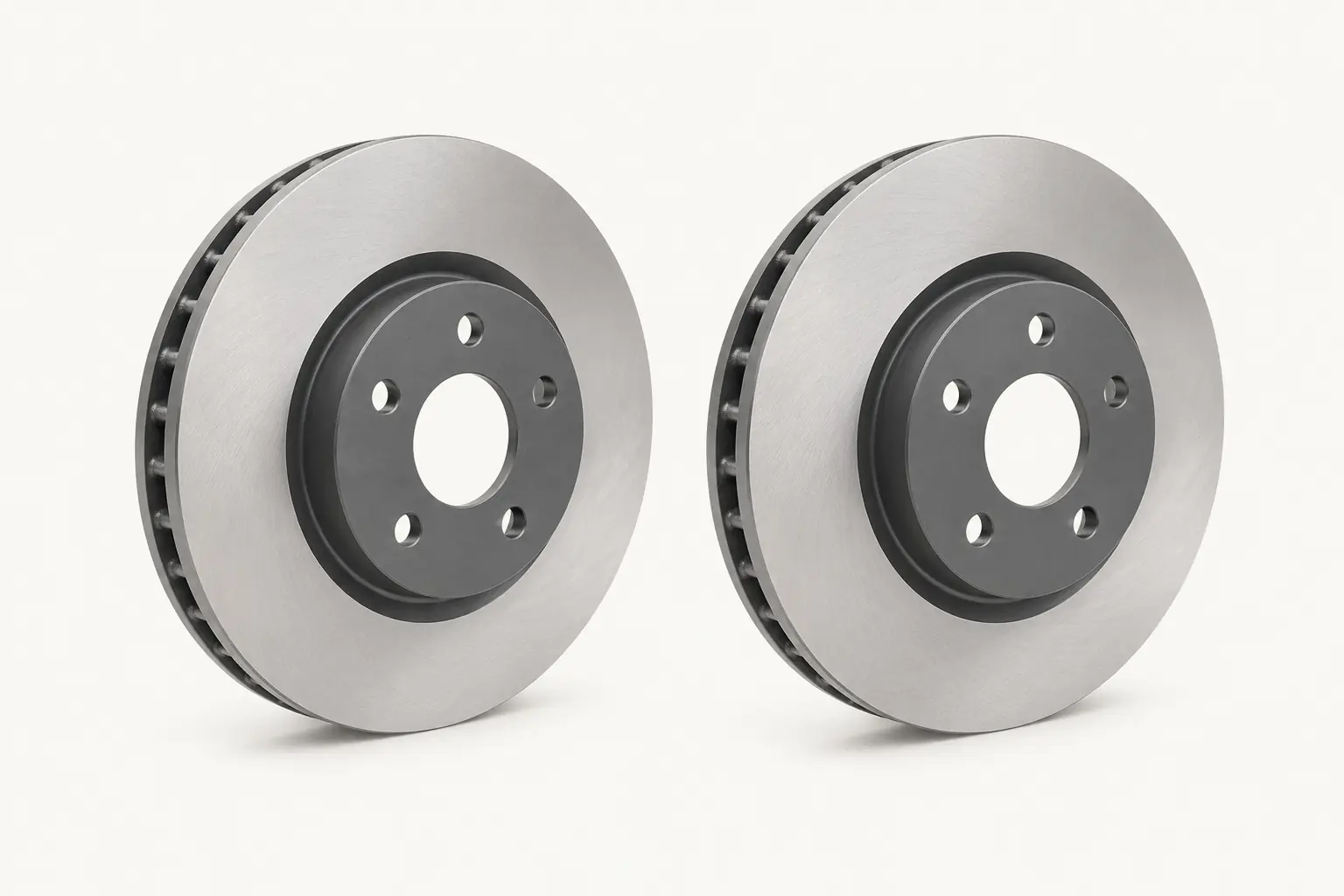
Brake pads only—or pads and rotors?
A condition-first checklist for deciding what belongs in the brake job before comparing prices.
Buyer guides
Original guidance to verify fitment, understand the complete job, and compare equivalent offers.
Français01Brakes
A condition-first checklist for deciding what belongs in the brake job before comparing prices.
 02
02Fitment
A repeatable process for moving from vehicle identity to an exact, retailer-confirmed part number.
 03
03Buying choices
How to compare fitment, quality signals, warranty, contents, and delivered cost without assuming one label always wins.
04Cross-border buying
A practical way to compare local and cross-border offers after currency, delivery, import charges, returns, and fitment risk.
05Delivered cost
Build a complete cross-border price from the part, currency conversion, freight, tax, duty, carrier charges, and return exposure.
 06
06Vehicle details
Turn badges, documents, VIN data, labels, and catalogue qualifiers into a precise vehicle profile for parts shopping.
07Maintenance
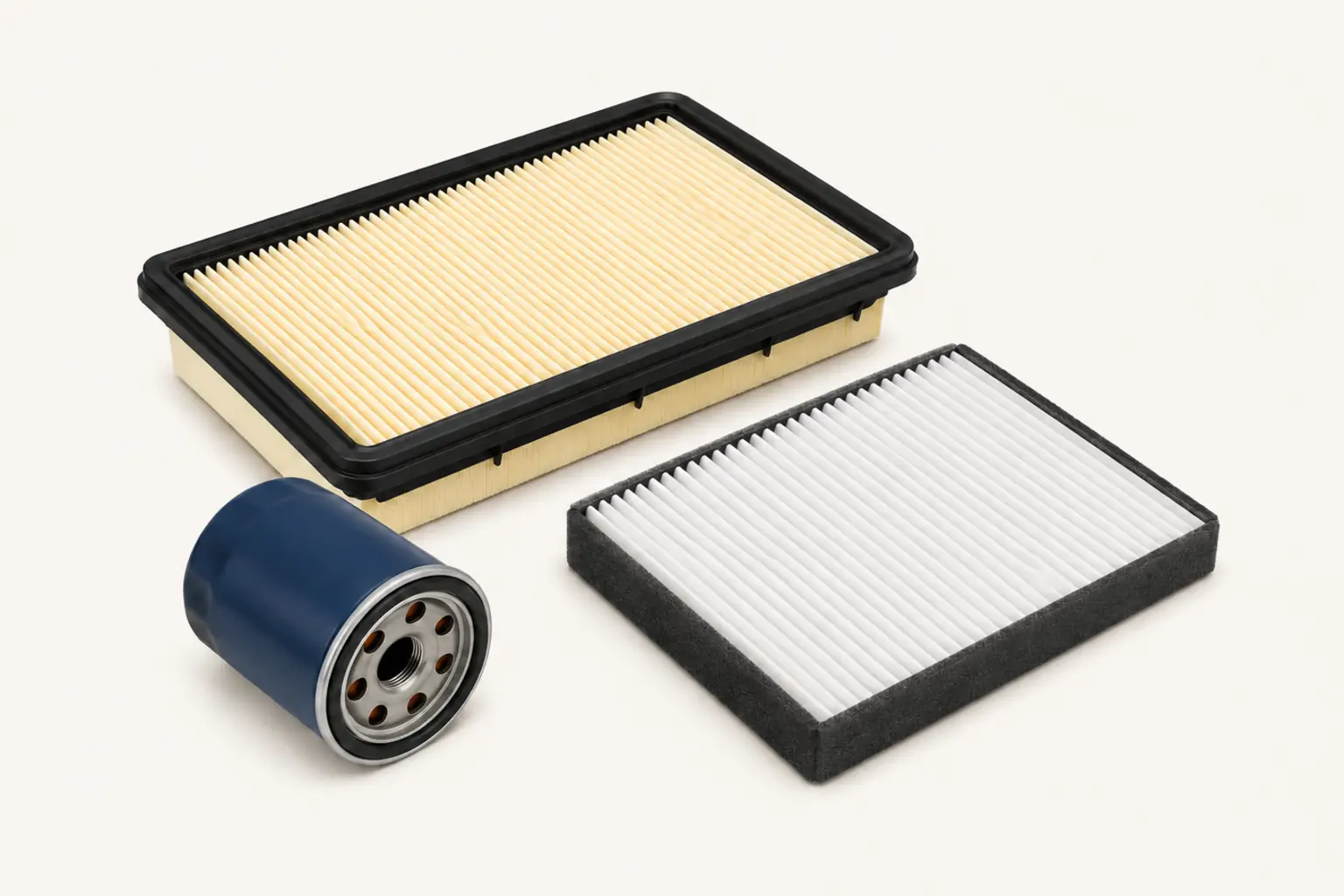
A vehicle-specific way to plan oil, engine-air, cabin, fuel, and transmission-filter service without relying on one universal mileage.
08Brakes
How measurements, damage, wear patterns, and vehicle specifications turn a brake symptom into a responsible rotor decision.
09Vehicle identity
What a 17-character VIN can identify, how official decoders use manufacturer data, and why a decoded vehicle still needs a fitment check.
10Online buying
A before-checkout process for seller legitimacy, exact fitment, complete cost, returns, secure payment, delivery, and installation records.
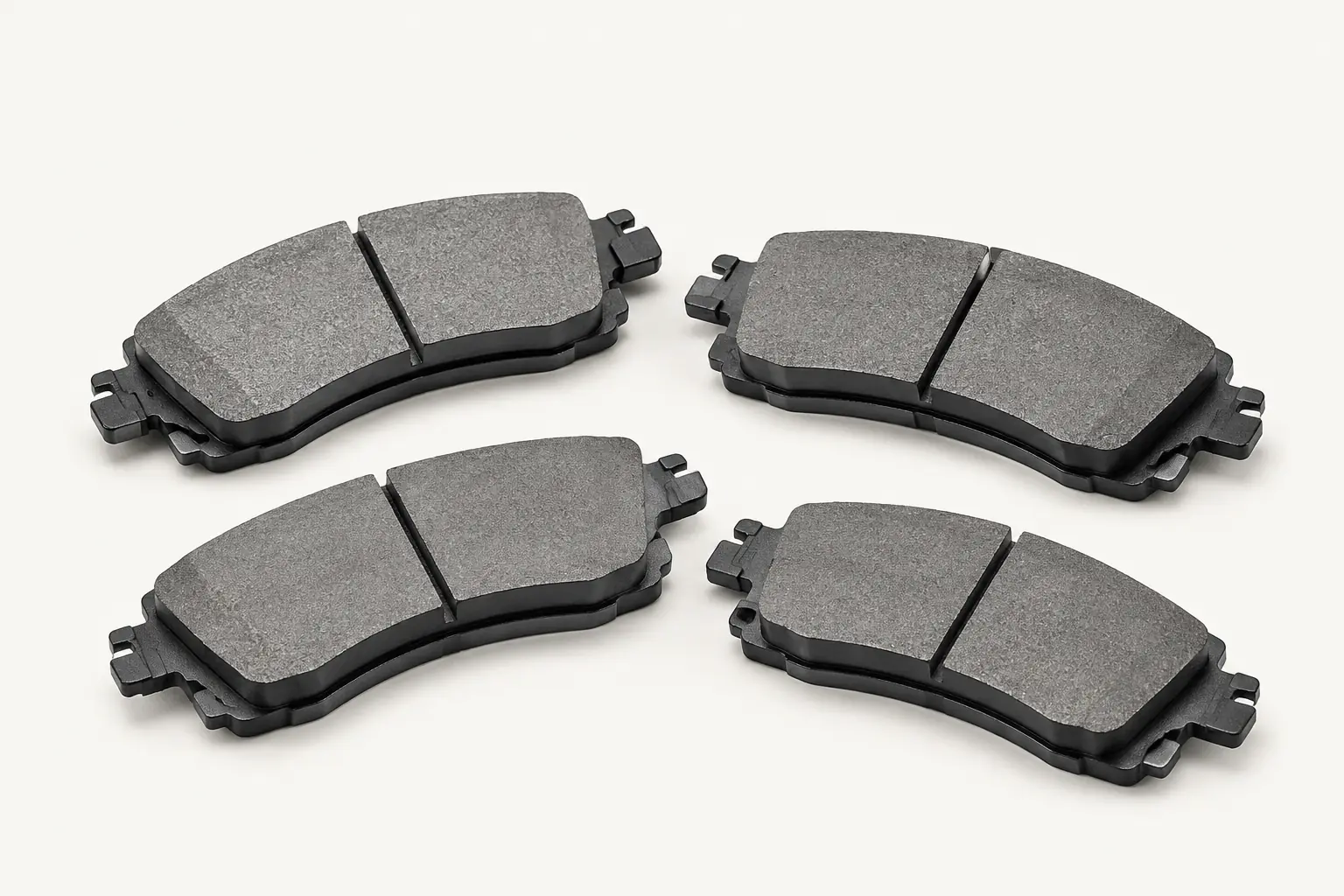
11Brake package quantity
How to verify whether a rotor listing contains one disc or two, calculate the quantity needed for one axle, and avoid a misleading price comparison.
 12
12Brake position
Why front and rear brake parts are separate repair scopes, which listing details to check, and how to avoid ordering the right part for the wrong axle.
 13
13Fitment methodology
What Confirmed by source, Possible fit, and Compatibility not confirmed mean—and why title keywords never prove exact fitment.